

There is a great deal of misinformation surrounding international adoptee citizenship, documentation, and legal status — in part because every adoptee’s experience is different. Citizenship outcomes can vary depending on the time period, age at adoption, country of origin, and the type of visa issued to enter the United States. No two stories are exactly alike.
In a climate where immigration conversations are highly visible, these misunderstandings can create fear and uncertainty for international adoptees and their families. Our goal is to provide clear, accurate information that brings both clarity and peace of mind.
Why citizenship confusion happens in international adoption
One of the most persistent myths is that all international adoptees automatically become U.S. citizens. Citizenship depends on multiple factors, including:
- The visa category used for entry
- Whether the adoption was finalized abroad or in the U.S.
- The child’s age at the time of the Child Citizenship Act of 2000
- Whether documentation was ever formally issued
Many adoptees did acquire citizenship automatically under U.S. law — but automatic citizenship did not always come with automatic documentation, particularly before 2004. As a result, some adoptees are legal citizens who lack formal proof, while others never received citizenship due to legal gaps tied to timing or process.
Citizenship vs. proof of citizenship
Another common misconception is that if someone is a citizen, they must already have proof. This is not always true.
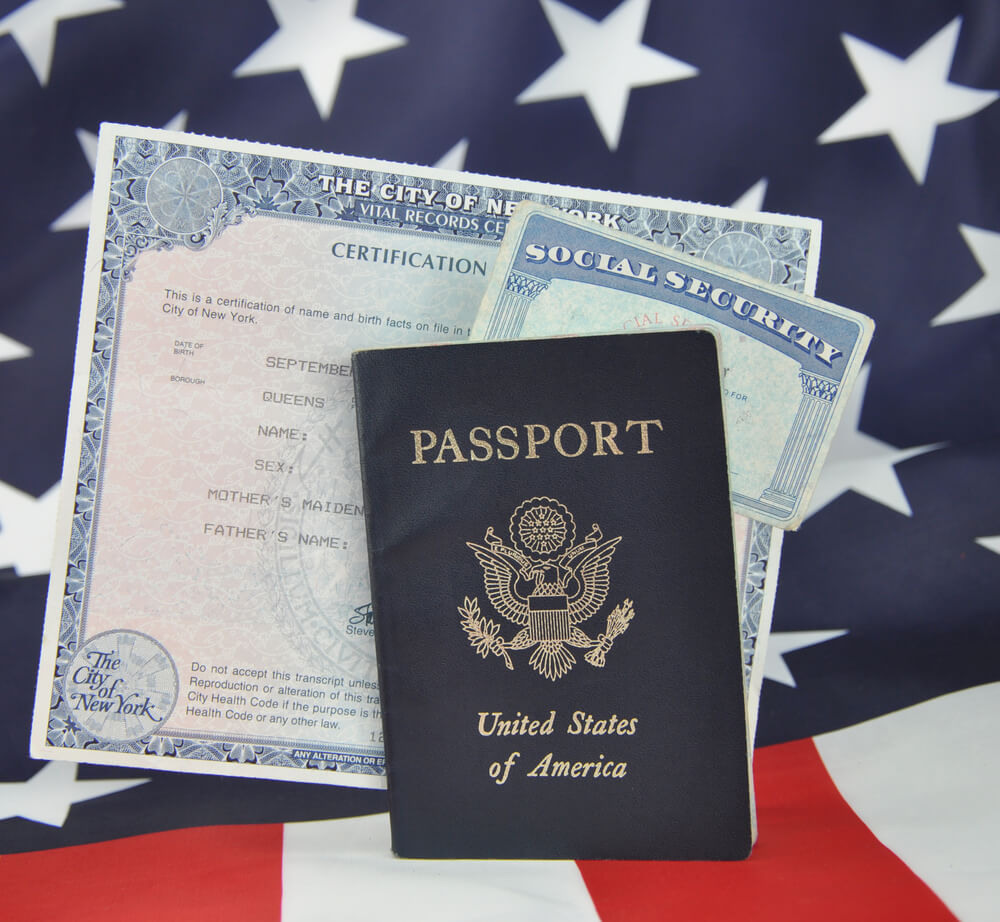
Families were often required to apply separately for documentation such as a U.S. passport and Certificate of Citizenship, and many were never informed that this step was necessary or forgot. Without documentation, an adoptee may legally be a citizen but have no official way to demonstrate that status.
The Certificate of Citizenship is the most permanent and definitive proof — it never expires. Passports expire and may require a Certificate of Citizenship for renewal or replacement.
What documents actually prove citizenship?
Not all official-looking documents establish citizenship.
Documents that demonstrate citizenship include:
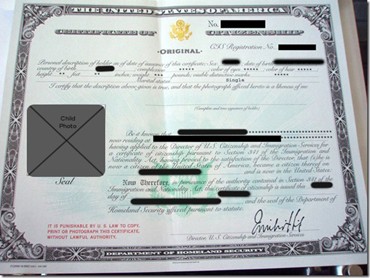
Certificate of Citizenship
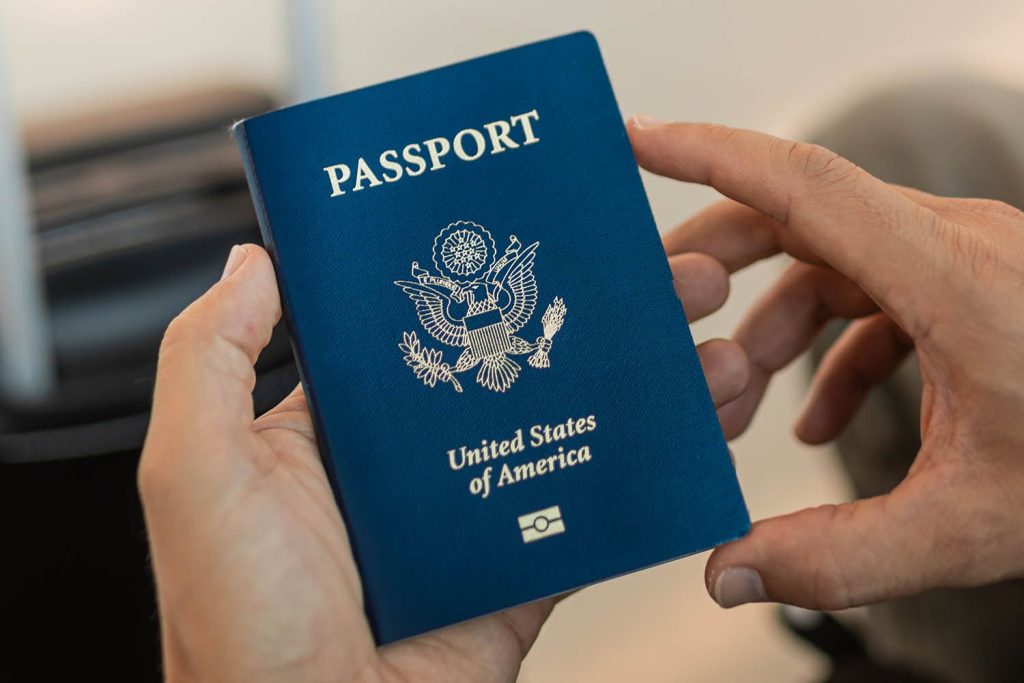
U.S. Passport (current, not expired)
Documents that do not prove citizenship on their own include:
- State-issued birth certificates
- Adoption decrees
- Foreign birth records
For example, a state-issued birth certificate (sometimes called a certificate of foreign birth) does not prove U.S. citizenship. It confirms birth details and adoptive parentage but does not establish legal status. These types of documents may support identity or relationship verification but do not establish citizenship by themselves.
Practical realities: copies, safety, and travel
Some families worry they must carry original citizenship documents at all times. In most situations, carrying copies is acceptable and often safer, while original documents should be stored securely unless specifically required.
Understanding what to carry — and when — can help families feel prepared without unnecessary risk or anxiety. If you are concerned that you may need to provide proof at a moment’s notice, carrying a copy (physical and digital) of a Certificate of Citizenship or current passport is recommended.
Why documentation conversations can feel emotional
For international adoptees, citizenship is rarely just administrative. It intersects with identity, race, and belonging. These types of questions may arise:
- Am I really a citizen?
- Do I have proof?
- What happens if policies change?
- Why do I still have to prove this?
These questions can surface at different life stages — sometimes long after adoption.
These concerns are not about doubting family or adoption. They reflect lived experience and the reality that documentation affects travel, employment, education, and legal protection.
Citizenship is more than legal status. It provides access to safety, mobility, opportunity, and recognition.

Should the burden of proving citizenship be placed on an adoptee?
Adoptive parents may have missed the opportunity to get a Certificate of Citizenship for their child, or they may not have understood the process. Most adoptive parents mean well. They may feel bad if their adoptee’s documents were lost or if they forgot to file the correct paperwork. They may be dealing with shame by avoiding it.
At the same time, as an adoptee becomes an adult without the documentation they need, the burden of proving citizenship becomes their own. No adoptee should have to prove they belong in the country that placed them through its own legal adoption system. But unfortunately, that is often the case. To read more on centering adoptee voices, visit the Ties Program Blog on the assumption of citizenship.
How adoptees and their families can move forward with clarity
For parents:
- Ensure documentation exists and is accessible
- Learn what each document means
- Invite open conversation with your adoptee by staying curious and letting them lead the conversation around citizenship and immigration
- Avoid minimizing your adoptee’s concerns by avoiding comments that are often well-intended but shut down the conversation. For example, “You have nothing to worry about” or “Let’s not talk about politics right now”.
For adoptees:
- Ask to see and understand your documents
- Clarify what proof exists within your documents
- Pursue getting documentation if you are missing proof of citizenship
- Protect emotional boundaries in hard conversations with friends and family who don’t understand the burden of having to prove citizenship
Lost or missing paperwork does not erase citizenship. It simply means records may need to be located or replaced.
Figure out what you have. Before assuming something is missing, look for:
- U.S. Passport (even expired)
- Final adoption decree
- Green card (if one was issued)
- Visa classification records and/or immigration documents (original US Visa is located in their original passport from the adoptee’s country of birth)
- Birth certificate from your birth country
- Certificate of Foreign Birth (issued in your home state)
Even partial documents help.
If the adoptive parent or adoptee does not have the documents they need, first, contact the adoption agency used to complete adoption to see if they have copies of the records. There may be a fee associated with this. Certain documents may be obtained through other channels.
If these documents are missing:
- Visa (entry records), adoption decree, country issued birth certificate or immigration files: file a G-884 to request through USCIS (these are the ONLY original documents that are available, so use as a last resort)
- Certificate of Citizenship: file Form N-565 for a replacement or Form N-600 if you never received one
- Parent’s birth certificates: request copies through your state’s Vital Records office
Determine your Visa type
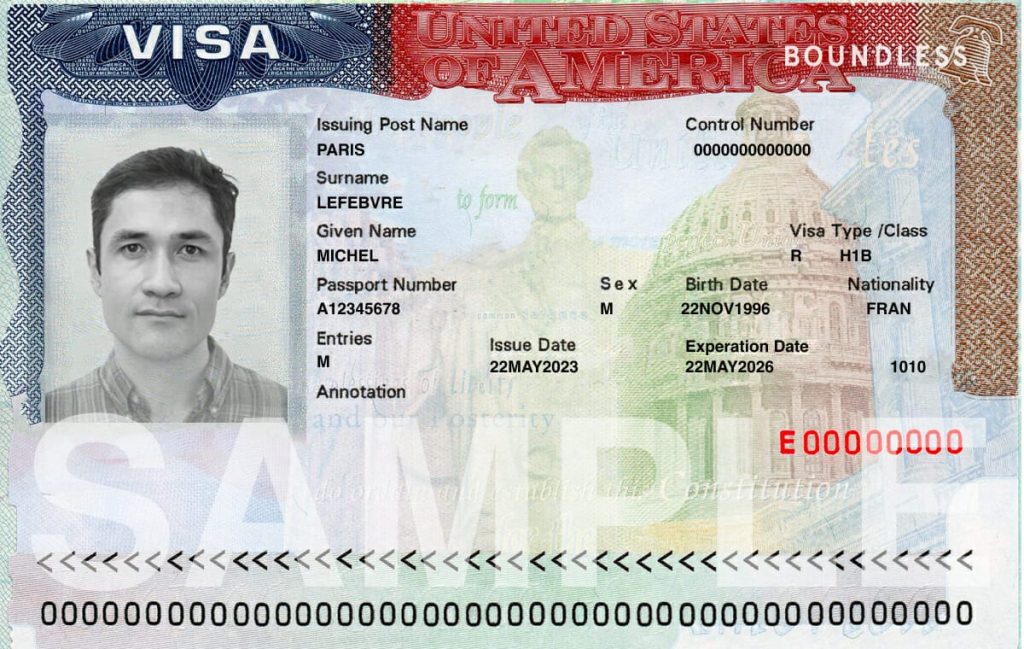
IR3/IH3: After 2004, children with these visas gained U.S. citizenship upon entry and received their Certificate of Citizenship by mail
IR4/IH4: These children were not yet citizens and entered as “Permanent Residents,” meaning additional steps were needed to finalize their citizenship.
Applying for a Certificate of Citizenship today
Some adoptees worry that applying now could trigger scrutiny or jeopardize their status. In practice, many adoptees continue to apply and receive Certificates of Citizenship without issue, gaining stronger documentation and long-term protection.
United States Citizenship and Immigration Services (USCIS) handles the application process. While the application process itself is straightforward, processing times typically range from about 3–12 months. Applicants over age 14 are usually scheduled for biometrics and an oath ceremony before receiving the certificate.
For a step-by-step guide on applying for a Certificate of Citizenship, visit our blog on Citizenship Documentation.
What is USCIS?
U.S. Citizenship and Immigration Services (USCIS) is the federal agency responsible for overseeing lawful immigration to the United States. It manages naturalization and issues Certificates of Citizenships. USCIS operates within the Department of Homeland Security. Prior to March 1, 2003, it was known as the Immigration and Naturalization Service (INS).
Belonging and documentation both matter
Family provides relational belonging.
Citizenship documentation provides legal protection.
International adoptees deserve both.
Clear information, accurate records, and open conversation help ensure that adoptees are not only loved and claimed — but also fully recognized and protected in the country they call home.
Helpful Resources
Below are trusted resources you and your adoptee can bookmark and keep accessible if questions arise about citizenship or documentation:
Ensuring Your or Your Child’s Citizenship Documentation
A step-by-step guide on determining whether a Certificate of Citizenship is needed and how to obtain one. While the process may feel tedious, rest assured that it is manageable. It is important to confirm whether you have a Certificate of Citizenship (COC)—even if you already hold a U.S. passport. Although a passport serves as official proof of citizenship, we strongly recommend obtaining a COC, as it is a permanent document that never expires.
USCIS Glossary
This searchable glossary provides official definitions of immigration and citizenship terms. Because many technical terms are used in citizenship discussions, this can be a helpful reference when navigating unfamiliar language.
USCIS Guide: U.S. Citizenship for an Adopted Child
This official USCIS FAQ explains how citizenship is acquired through intercountry adoption, including visa types, documentation, and lawful residence requirements.
The Assumption of Citizenship: Why Intercountry Adoptees Are Left Out of the Conversation
Many assume that international adoption automatically grants a child citizenship, but this isn’t always the case. This post explores the historical and legal reasons why thousands of adult adoptees remain without secure status today.
Intercountry Adoptee Rights and Safety Guide: What to Know in 2026
Stay informed, prepared, and supported as an intercountry adoptee. This living guide offers practical tips on rights, documentation, travel, and community resources, helping adoptees navigate immigration enforcement and complex legal questions with confidence and care.
