

Connecting with their birth culture doesn’t have to be complex, and for many adoptees, food becomes one of the simplest and most meaningful ways to start. Cooking traditional dishes can offer comfort, connection, and a hands-on way to learn about their heritage. Join Alex and his friend, Isa, as they prepare arepas, a cherished Colombian favorite.
Arepas date back to pre-Columbian times, with the earliest records reaching nearly 6,000 years into the past. Originating in the region that is now modern-day Colombia and Venezuela, they remain a staple throughout northern South America and parts of Central America. Remarkably, this ancient dish has changed very little over the centuries, making it one of the rare culinary traditions that hasn’t changed since colonization.
Made from a simple dough of maize flour, arepas are shaped into patties, then grilled, baked, fried, boiled, or steamed. They can be left plain or stuffed with a wide variety of fillings. Eaten as a snack or a hearty meal—whether for breakfast, lunch, or dinner—their versatility is a big part of what makes them so beloved. They’re often served with accompaniments such as cheese, various types of meat, and avocado.


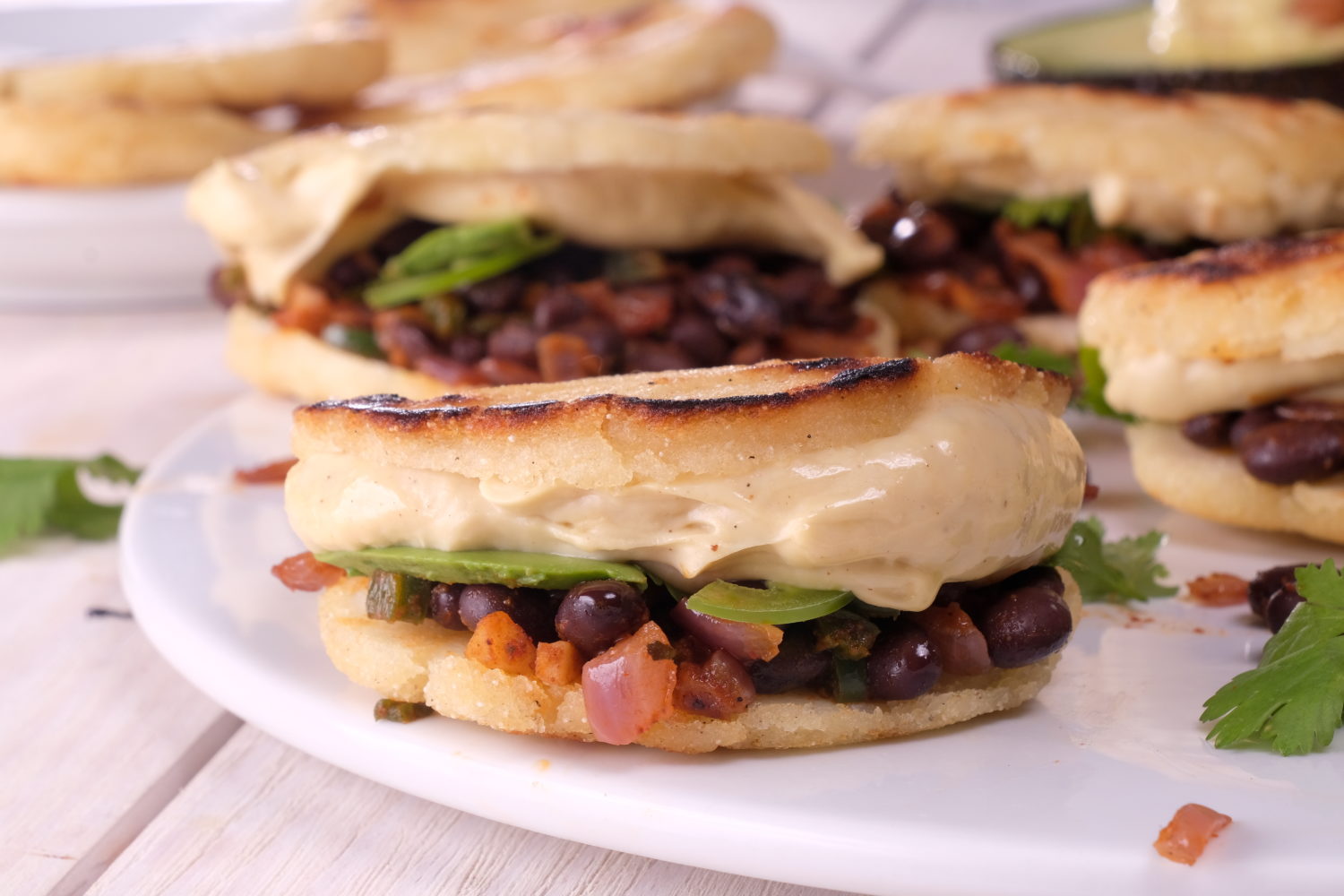
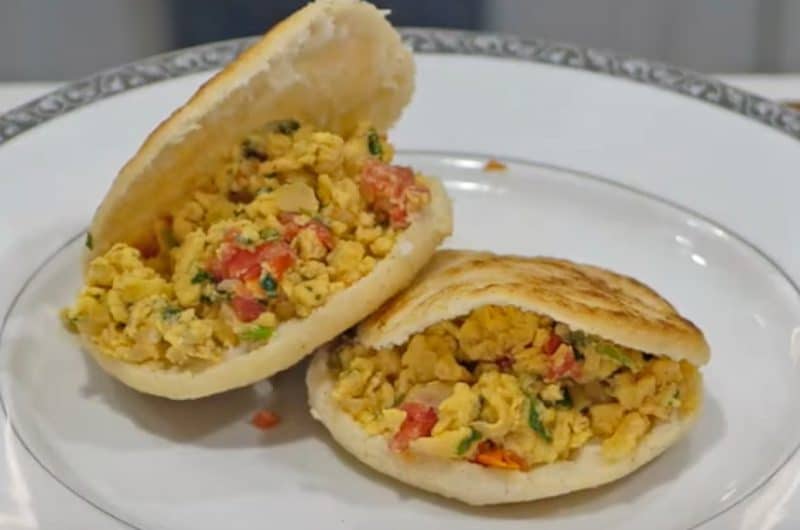
In Colombia alone, there are more than 75 distinct types of arepas, with each region putting its own spin on the classic. Their cultural importance is so deep that in 2006 the arepa was declared a symbol of national heritage, and festivals celebrating the dish take place across the country throughout the year. Popular Colombian varieties include the Arepa Paisa (a thick, crispy white-corn arepa), Arepa de Choclo (made with fresh corn and served with cheese), and the Arepa de Huevo (deep-fried and stuffed with a whole egg).
You can find more information and a variety of recipes here. Alex also served his arepas with fried plantains, and you can find a recipe for those here.
